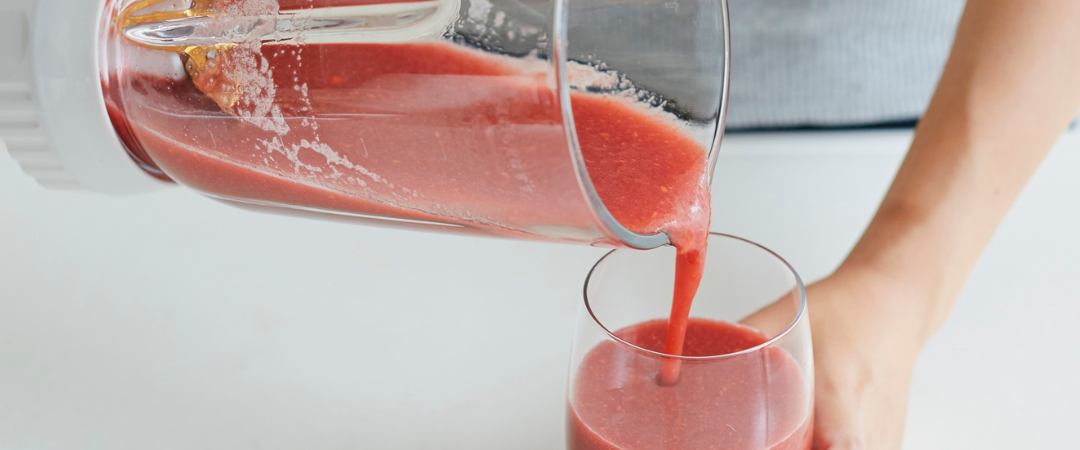
A pulp smoothie is simply a smoothie that keeps the fibrous, slightly grainy bits of fruit or vegetable — the pulp — instead of straining them out. I used to think pulp was just an accident of a cheap blender, something to apologize for. Then I actually looked into it, and it turns out pulp is doing more nutritional work than I gave it credit for. Once I stopped trying to blend it into oblivion, my smoothies got thicker, more filling, and honestly more interesting to eat with a spoon instead of a straw. Here’s everything I’ve learned about what pulp actually is, why it ends up in your smoothie, and how to make one on purpose.
What Is a Pulp Smoothie?
A pulp smoothie is a smoothie that retains the natural fiber and tiny fruit or vegetable fragments left over after blending, rather than being strained into a completely smooth liquid.
Pulp comes from the cell walls, skins, and fibrous strands of produce — think the stringy bits in orange juice or the slightly grainy texture you get from blending whole apples or celery. In a regular smoothie, this pulp is usually blended fine enough that you don’t notice it. In a pulp smoothie, you either:
- Use high-pulp ingredients on purpose (citrus, mango, pineapple core, celery)
- Blend on a lower setting so the fiber isn’t fully liquefied
- Skip straining altogether if you’re using a juicer-blender hybrid
I think of pulp smoothies as the “whole fruit” version of a regular smoothie — less processed-feeling, more textured.
Why Does My Smoothie Have Pulp in the First Place?
Pulp shows up whenever your blender doesn’t fully break down plant fiber, which happens for a few common reasons.
1. The ingredient itself is fibrous. Citrus fruits, pineapple, mango, and celery all have dense fiber structures that resist full liquefying, even in a strong blender.
2. Your blender isn’t powerful enough. Lower-wattage blenders leave more fiber intact. I noticed this firsthand when I switched from a basic blender to a high-speed one — same ingredients, way less pulp.
3. You’re not blending long enough. A quick 20-second blend will always leave more texture than a full 60-90 second blend.
4. You added whole produce instead of juice. Whole oranges, for example, bring all their pulp with them. Orange juice alone has far less.
None of these are “mistakes” — they’re just the natural result of blending whole, fibrous ingredients instead of pre-juiced or pre-strained ones.
Is Pulp in a Smoothie Good or Bad for You?
Pulp is generally good for you — it’s mostly dietary fiber, which supports digestion, slows sugar absorption, and helps you feel full longer.
Here’s how I break it down when I’m deciding whether to keep or strain the pulp:
| Factor | Keeping Pulp | Straining Pulp |
|---|---|---|
| Fiber content | Higher | Lower |
| Fullness/satiety | More filling | Lighter, easier to drink fast |
| Texture | Thicker, slightly grainy | Smooth, juice-like |
| Sugar absorption | Slower (fiber slows it) | Faster |
| Best for | Meal-replacement smoothies, gut health | Sipping smoothies, kids, sensitive stomachs |
I personally keep the pulp when I want my smoothie to function more like a meal than a drink. If I want something light and easy to drink on the go, I’ll strain it.
How Do I Make a Pulp Smoothie on Purpose?
Here’s my actual process when I want a smoothie with real texture and intact fiber, rather than something silky-smooth.
- Choose high-pulp ingredients. Oranges, mango, pineapple (including the core), celery, and apples all bring natural pulp.
- Leave skins on where it makes sense. Apple and cucumber skins add extra fiber and texture without much flavor disruption.
- Blend on a lower speed setting. A pulse or low-speed blend breaks ingredients down just enough without liquefying every fiber strand.
- Don’t over-blend. I usually stop around 30-40 seconds — enough to combine everything, but not enough to erase the texture completely.
- Skip the strainer. If your recipe normally calls for straining through a nut-milk bag or fine mesh, just leave that step out.
- Add a thickener if needed. A few oats or a spoonful of chia seeds can help bind the pulp into the smoothie instead of letting it settle at the bottom.
If pulp settles at the bottom of your glass between sips, that’s normal — give it a quick stir rather than assuming something went wrong.
What If I Don’t Want Pulp in My Smoothie?
If you’d rather avoid pulp, the fix is usually simple: blend longer, use a more powerful blender, or strain the final smoothie through a fine mesh sieve or nut-milk bag.
A few extra tricks I’ve used:
- Peel fibrous fruit first — removing citrus membranes or apple skins cuts pulp significantly.
- Use juice instead of whole fruit for a smoother base, then add other ingredients on top.
- Blend longer at a higher speed rather than pulsing.
- Run it through a sieve as a last step if texture still bothers you after blending.
None of these are wrong choices — it really just comes down to whether you want a drink or something closer to a meal.
Are There Any Downsides to Pulp Smoothies?
A few things worth knowing before you go all-in on pulp:
- Texture isn’t for everyone. Some people find the grainy or stringy texture unpleasant, especially kids or anyone with sensory sensitivities.
- It can be harder on a sensitive stomach. High fiber content, while generally healthy, can cause bloating or discomfort for people who aren’t used to it.
- Pulp settles over time. A pulp smoothie left sitting will separate more than a fully blended one, so it’s best enjoyed fresh.
- Not ideal right before workouts for everyone. Extra fiber can sit heavier than a strained, faster-digesting smoothie for some people.
I’d say ease into pulp smoothies gradually if your gut isn’t used to extra fiber — your body usually adjusts within a week or two.
Pulp Smoothie vs. Regular Smoothie: What’s the Real Difference?
The core difference comes down to fiber retention. A regular smoothie is blended until smooth, often losing some of the coarser fiber to the blender’s limits or a straining step. A pulp smoothie keeps that fiber intentionally.
Nutritionally, that means a pulp smoothie typically has:
- More total fiber per serving
- A thicker, more “eatable” texture
- Slower digestion and sugar release
- A more “whole food” feel overall
If you want to dig deeper into how fiber affects digestion and fullness, the Harvard T.H. Chan School of Public Health’s fiber overview is a solid, research-backed resource.
If pulp smoothies have you thinking about fiber more generally, I’ve also got guides that pair well with this one — my smoothie recipes hub for general inspiration, my dairy-free smoothie recipes if you’re avoiding yogurt or milk, and my best blender for smoothies guide if you’re shopping for something powerful enough to handle fibrous ingredients either way.
FAQ
What causes pulp in a smoothie? Pulp comes from fibrous plant material — like citrus membranes, fruit skins, or celery strands — that your blender hasn’t fully liquefied.
Is pulp in a smoothie unhealthy? No, pulp is mostly dietary fiber and is generally considered healthy. It supports digestion and helps you feel fuller longer.
How do I remove pulp from my smoothie? Blend longer at a higher speed, peel fibrous fruit before blending, or strain the finished smoothie through a fine mesh sieve or nut-milk bag.
Can a weak blender cause more pulp? Yes — lower-powered blenders often leave more fiber intact than high-speed blenders, resulting in a chunkier or pulpier texture.
Should I keep pulp in a smoothie for weight loss? Many people do, since fiber from pulp can increase fullness and slow sugar absorption, which may support appetite control.
Does pulp settle at the bottom of the glass? Yes, this is normal. Give your smoothie a quick stir between sips if the pulp separates.
Key Takeaways
- A pulp smoothie keeps the natural fiber and small fruit/vegetable fragments instead of straining them out.
- Pulp mostly comes from fibrous ingredients like citrus, mango, pineapple, and celery, or from underpowered/short blending.
- Pulp is generally healthy — it’s largely dietary fiber that supports digestion and satiety.
- You can control pulp level by adjusting blend time, speed, and whether you strain the final result.
- Pulp smoothies tend to feel more like a meal, while strained smoothies feel more like a drink.