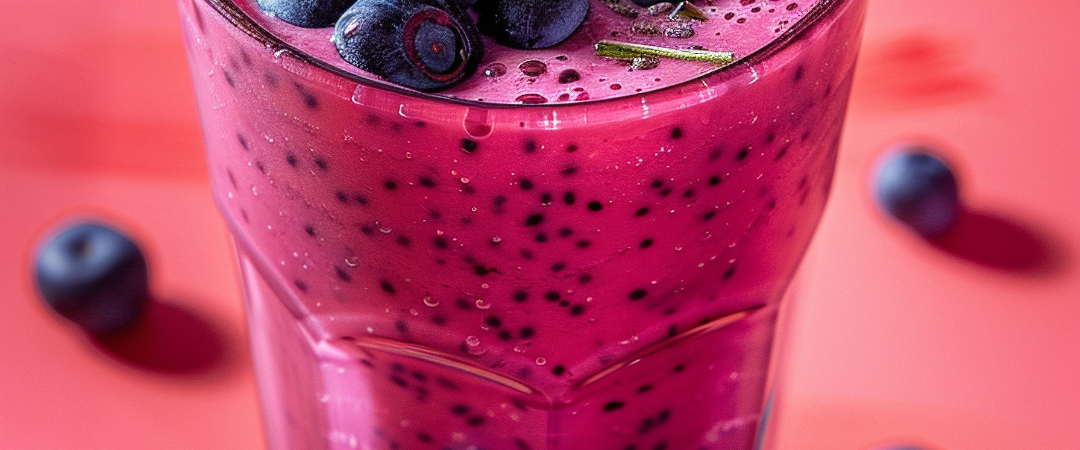
How to make smoothies without dairy comes down to one simple swap: replace milk and yogurt with a plant-based liquid and a creamy fruit or thickener that does the same job. I went dairy-free almost by accident a few years ago — not out of some big wellness epiphany, just a stretch of weeks where I kept running out of yogurt and got tired of buying more. What I didn’t expect was that my smoothies got better, not worse, once I stopped relying on dairy as a crutch. Turns out there are a dozen ways to get that same thick, creamy texture without a drop of milk. Here’s my full approach, ingredient by ingredient.
What Does “Dairy-Free Smoothie” Actually Mean?
A dairy-free smoothie is any smoothie made without milk, yogurt, cream, or whey protein — using plant-based liquids and thickeners instead.
This isn’t the same as “vegan,” necessarily (some dairy-free people still eat honey or other animal products), and it’s not the same as “low-fat” either — plenty of dairy-free smoothies are richer than their dairy versions. It’s purely about what’s not in the blender:
- No cow’s milk
- No yogurt (regular or Greek)
- No cream or half-and-half
- No whey protein powder
Everything else is fair game, and honestly, the swaps are where the fun starts.
Why Make Smoothies Without Dairy?
People go dairy-free in smoothies for a few different reasons, and the right swap often depends on which one applies to you.
Lactose intolerance or dairy sensitivity. This is the most common reason — dairy can cause bloating, cramping, or discomfort for a lot of people, even if they don’t think of themselves as “lactose intolerant.”
Vegan or plant-based eating. No dairy, full stop, for ethical or dietary reasons.
Texture or taste preference. Some people just prefer how oat milk or coconut milk tastes over dairy milk in a smoothie — I’m one of them.
Lower environmental footprint. Plant milks generally have a smaller environmental footprint than dairy, which is part of why I started leaning that way myself.
Whatever your reason, the process below works the same.
How Do I Replace Milk in a Smoothie?
The easiest fix is swapping cow’s milk for a plant-based milk in equal measure — most recipes don’t need any other adjustment.
My go-to options, ranked by what I reach for most:
- Oat milk — naturally a little sweet, blends seamlessly, my default for almost everything
- Almond milk — light and neutral, great when I don’t want the milk flavor to compete with fruit
- Coconut milk (canned, full-fat) — rich and thick, my favorite for tropical smoothies
- Soy milk — higher in protein than most plant milks, good if you’re skipping whey too
- Cashew milk — naturally creamy, closest texture to dairy milk in my experience
I usually just do a 1:1 swap — same amount of plant milk as the recipe calls for in dairy milk. No extra math required.
How Do I Replace Yogurt in a Smoothie?
Yogurt is doing two jobs in most smoothie recipes — adding creaminess and adding thickness — so the replacement needs to cover both.
Here’s what works for me:
- Frozen banana — my number one swap. It thickens and creams up a smoothie almost exactly like yogurt does, with natural sweetness as a bonus.
- Coconut yogurt — a direct dairy-free yogurt swap if you want to keep the tang and probiotics.
- Avocado — adds creaminess without much flavor, great for green smoothies.
- Silken tofu — adds thickness and a protein boost without changing the flavor much.
- Cashews (soaked) — blend soaked raw cashews into the liquid for a thick, neutral base.
If a recipe leans heavily on yogurt for tang specifically (not just texture), a splash of lemon juice or a spoonful of dairy-free yogurt can bring that back.
How Do I Get a Creamy Texture Without Dairy?
Creaminess in a smoothie usually comes from fat and a thick base, neither of which requires dairy at all.
My short list of creamy, dairy-free thickeners:
- Frozen banana (again — it really is the MVP here)
- Avocado
- Nut butter (almond, peanut, cashew)
- Rolled oats
- Chia seeds or flax (soaked first for the smoothest texture)
- Full-fat canned coconut milk
I usually combine two of these — frozen banana plus a spoonful of nut butter is my most-used combo when I want something that drinks like a milkshake.
My Go-To Dairy-Free Smoothie Formula
This is the basic structure I use any time I’m building a dairy-free smoothie from scratch, no recipe required:
- Pick a plant milk base — oat, almond, coconut, soy, or cashew (about 1 cup)
- Add a creamy thickener — frozen banana, avocado, or soaked cashews
- Add your main fruit or flavor — berries, mango, cacao, matcha, whatever you’re craving
- Add a protein source if needed — plant-based protein powder, hemp seeds, or silken tofu
- Add a sweetener if needed — dates, maple syrup, or just extra ripe banana
- Blend until smooth — 30-45 seconds, scraping down the sides once if needed
That’s it. No yogurt, no dairy milk, no missing texture.
Are There Any Downsides to Dairy-Free Smoothies?
A few honest tradeoffs worth knowing:
- Less natural protein than dairy. Plant milks are generally lower in protein than dairy milk or Greek yogurt, so you may need to add a protein source separately.
- Some plant milks are thinner. Almond milk in particular can make a smoothie less thick than a dairy-based one unless you add a thickener.
- Coconut milk adds saturated fat. Full-fat canned coconut milk is creamy, but it’s also higher in saturated fat than most other plant milks — worth knowing if that’s something you watch.
- Flavor differences. Plant milks each bring their own subtle flavor (oat milk is sweeter, almond is nuttier), which can shift a recipe’s taste slightly from the dairy version.
None of these are dealbreakers for me — they’re just things to adjust for once you know they’re there.
Dairy-Free Smoothie vs. Regular Smoothie: Quick Comparison
| Factor | Dairy-Free Smoothie | Dairy-Based Smoothie |
|---|---|---|
| Protein content | Lower (unless boosted) | Naturally higher |
| Texture | Thinner unless thickened | Naturally creamy |
| Lactose-friendly | Yes | No |
| Vegan-friendly | Yes | No |
| Flavor | Varies by milk choice | Consistent dairy taste |
| Environmental footprint | Generally lower | Generally higher |
If you’re coming from a dairy-based smoothie routine, the biggest mental shift is just remembering to add a thickener — once you do, you genuinely won’t miss the milk.
For more background on lactose intolerance and why dairy affects so many people differently, the National Institute of Diabetes and Digestive and Kidney Diseases has a solid, research-backed overview.
If you’re building out a full dairy-free routine, a few of my other guides pair naturally with this one. My smoothie recipes hub has plenty of bases you can adapt with the swaps above, and if texture is still tripping you up, my best blender for smoothies guide walks through which blenders handle frozen banana and soaked cashews best. And if you’ve already gone dairy-free and started noticing more fiber-forward smoothies in your routine, my pulp smoothie guide is a natural next read — dairy-free and high-pulp smoothies tend to go hand in hand once you start leaning on whole fruit for texture instead of yogurt.
FAQ
What can I use instead of milk in a smoothie? Oat milk, almond milk, coconut milk, soy milk, or cashew milk all work as 1:1 replacements for dairy milk in most recipes.
What can I use instead of yogurt in a smoothie? Frozen banana, avocado, coconut yogurt, silken tofu, or soaked cashews all add the creaminess and thickness yogurt normally provides.
Can a dairy-free smoothie still be high in protein? Yes — add a plant-based protein powder, hemp seeds, or silken tofu to bring the protein content up to par with a dairy-based smoothie.
Is coconut milk a good dairy substitute for smoothies? Yes, especially full-fat canned coconut milk, which adds richness similar to cream — just note it’s higher in saturated fat than other plant milks.
Will a dairy-free smoothie taste different from a regular one? Slightly — each plant milk has its own flavor profile, but most people find the difference minor once fruit and other ingredients are added.
Do I need a special blender for dairy-free smoothies? No, a standard blender works fine, though a high-speed blender handles frozen banana and soaked nuts more smoothly.
Key Takeaways
- A dairy-free smoothie swaps milk, yogurt, and cream for plant-based liquids and thickeners.
- Plant milks (oat, almond, coconut, soy, cashew) work as simple 1:1 replacements for dairy milk.
- Frozen banana, avocado, and soaked cashews are the best yogurt replacements for creaminess.
- Add a protein source separately if your dairy-free base is naturally lower in protein.
- The core formula is: plant milk + creamy thickener + fruit + protein (optional) + sweetener (optional).