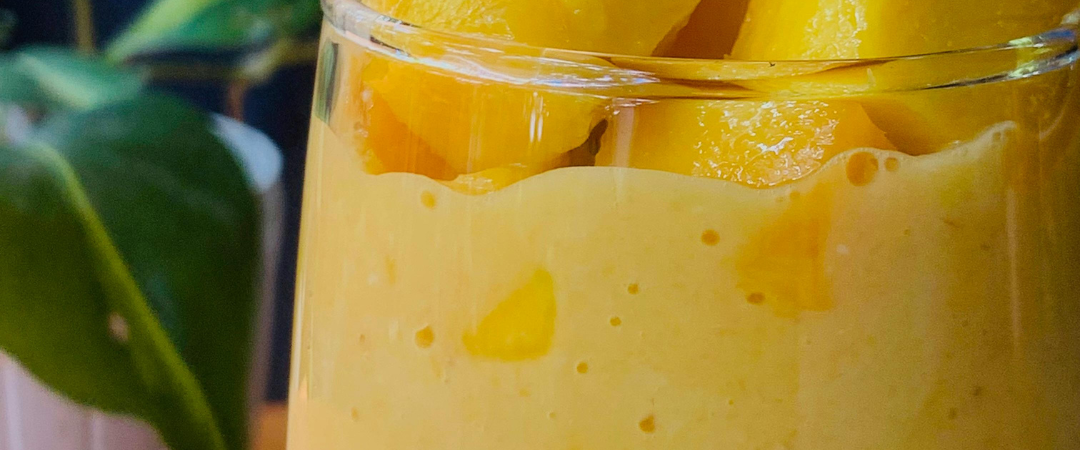
A no-yogurt smoothie recipe is exactly what it sounds like: a smoothie built thick and creamy without relying on yogurt at all. I used to think yogurt was non-negotiable — like the smoothie equivalent of a foundation you can’t skip. Then I ran out one morning, made a smoothie anyway out of stubbornness, and it came out thicker and creamier than half my yogurt-based ones. That was the moment I stopped treating yogurt as essential and started treating it as optional. Here’s my actual no-yogurt recipe, plus everything I’ve learned about why it works.
What Makes a Smoothie “No-Yogurt”?
A no-yogurt smoothie skips dairy or non-dairy yogurt entirely and replaces its texture and creaminess with other thick, blendable ingredients.
This matters for a few different groups of people:
- Anyone avoiding dairy (lactose intolerance, dairy sensitivity, or dairy-free preference)
- Anyone who simply doesn’t keep yogurt on hand
- Anyone who finds yogurt too tangy or thick for certain flavor combinations
- Anyone building a pulp-forward smoothie, where whole fruit texture replaces the smoothness yogurt usually provides
Whatever the reason, the fix is the same: swap yogurt’s two jobs — creaminess and thickness — for ingredients that do both.
My No-Yogurt Smoothie Recipe
Here’s the exact recipe I make most often when I want something thick, filling, and yogurt-free.
Ingredients:
- 1 frozen banana
- 1 cup frozen mixed berries
- 1 cup oat milk (or any plant-based milk)
- 1 tablespoon almond butter
- 1 tablespoon chia seeds
- 1 teaspoon honey or maple syrup (optional)
Method:
- Add the oat milk to the blender first — liquid at the bottom helps everything blend evenly.
- Add the frozen banana and berries.
- Add the almond butter and chia seeds.
- Blend on high for 30-45 seconds until thick and smooth.
- Add sweetener to taste if needed, and blend for another 5 seconds.
The frozen banana and almond butter do the heavy lifting here — that’s where the creaminess comes from, no yogurt required.
Why Does This Recipe Work Without Yogurt?
Yogurt typically brings three things to a smoothie: thickness, creaminess, and a slight tang. This recipe replaces each one individually instead of relying on a single ingredient.
- Thickness comes from the frozen banana and chia seeds, which both absorb liquid and add body.
- Creaminess comes from the almond butter, which adds fat the same way yogurt’s dairy fat would.
- Tang is optional here — if you want it back, a small squeeze of lemon juice does the trick.
I’ve found that most no-yogurt smoothies fail not because yogurt is irreplaceable, but because people only swap one of its three jobs and wonder why the texture is off.
What Can I Use Instead of Yogurt in a Smoothie?
If you want to build your own no-yogurt smoothie instead of following a fixed recipe, here are the swaps I rely on most:
- Frozen banana — my top pick for thickness and natural sweetness
- Avocado — creamy with almost no flavor impact, great for green smoothies
- Nut butter — adds fat-based creaminess (almond, peanut, cashew)
- Silken tofu — adds thickness and a protein boost with a neutral taste
- Soaked cashews — blends into a smooth, thick, dairy-free base
- Rolled oats — thickens without adding much flavor
- Coconut milk (canned, full-fat) — rich and thick, ideal for tropical smoothie recipes
- Chia or flax seeds — thicken gradually as they absorb liquid
I usually combine two of these in any given smoothie — frozen banana plus one fat source (nut butter, avocado, or coconut milk) covers almost every recipe I make.
How Do I Keep a No-Yogurt Smoothie From Being Too Thin?
The most common complaint with no-yogurt smoothies is that they turn out watery, which usually comes down to liquid ratio rather than the missing yogurt itself.
A few fixes I use:
- Start with less liquid than you think you need. You can always add more, but you can’t easily remove it.
- Use frozen fruit, not fresh. Frozen fruit thickens a smoothie the way ice would, without watering it down.
- Add a thickener even if your recipe doesn’t call for one. A tablespoon of chia seeds or oats rarely hurts.
- Let chia or oats sit for a minute before blending again. They thicken more the longer they sit in liquid.
If you’re using a particularly powerful blender, also keep in mind that over-blending can warm the smoothie slightly and thin it out — a quick check of your blender’s power and settings helps you figure out the right blend time for your setup.
Are There Any Downsides to No-Yogurt Smoothies?
A few honest tradeoffs to know before going yogurt-free for good:
- Lower protein unless you compensate. Yogurt, especially Greek yogurt, is a solid protein source — without it, you’ll want to add chia seeds, nut butter, or a protein powder.
- Fewer probiotics. Yogurt contains live cultures that support gut health; a no-yogurt smoothie won’t have this unless you add a probiotic supplement separately.
- Slightly different tang. Some recipes lose a bit of their signature tartness without yogurt, which you can bring back with citrus.
- More ingredients to balance. Since yogurt does multiple jobs at once, replacing it sometimes means combining two or three ingredients instead of one.
None of these have stopped me from making no-yogurt smoothies my default — they’re just things I plan around.
No-Yogurt Smoothie vs. Yogurt-Based Smoothie: Quick Comparison
| Factor | No-Yogurt Smoothie | Yogurt-Based Smoothie |
|---|---|---|
| Texture | Thick if properly built | Naturally thick |
| Protein | Lower unless boosted | Naturally higher |
| Probiotics | None unless added | Yes (live cultures) |
| Dairy-free | Yes | Only with dairy-free yogurt |
| Flavor | Neutral, customizable | Slightly tangy |
| Best for | Dairy-free, vegan, fiber-forward diets | High-protein, gut-health focused diets |
If gut health is your main reason for reaching for yogurt, it’s worth knowing that fiber-rich ingredients support digestion too — even without the probiotics. The Harvard T.H. Chan School of Public Health’s fiber overview is a good place to read more on that connection.
More No-Yogurt Smoothie Ideas to Try
Once you’ve got the base formula down, it’s easy to build variations. A few I make regularly:
- A mango smoothie recipe with coconut milk instead of yogurt for a tropical, dairy-free version
- A banana smoothie recipe using almond butter and oat milk instead of yogurt
- Anything from my weight loss & diet smoothies collection, most of which lean on fruit and fiber rather than yogurt for thickness
- A high-fiber option from my pulp smoothie guide, if you want texture from whole fruit instead of a creamy base at all
FAQ
Can a smoothie be thick without yogurt? Yes — frozen banana, nut butter, avocado, oats, or chia seeds can all create a thick texture without yogurt.
What’s the best yogurt substitute for smoothies? Frozen banana is usually the easiest substitute since it adds both thickness and natural sweetness in one ingredient.
Will a no-yogurt smoothie have less protein? Generally yes, unless you add a protein source like nut butter, chia seeds, silken tofu, or a protein powder.
Is a no-yogurt smoothie the same as a dairy-free smoothie? Not always — a no-yogurt smoothie just skips yogurt specifically, while a fully dairy-free smoothie also avoids milk, cream, and whey.
Can I make a no-yogurt smoothie without a powerful blender? Yes, though a higher-powered blender breaks down frozen fruit and nuts more smoothly.
Do no-yogurt smoothies taste different from yogurt-based ones? Slightly less tangy, but the difference is minor once fruit, nut butter, or citrus are added back in.
Key Takeaways
- A no-yogurt smoothie replaces yogurt’s three roles — thickness, creaminess, and tang — with separate ingredients.
- Frozen banana and nut butter are the most reliable yogurt substitutes for texture.
- No-yogurt smoothies are naturally dairy-free but may need an added protein source.
- Using frozen fruit and a thickener like chia seeds prevents a watery result.
- This recipe style pairs naturally with dairy-free and pulp-forward smoothie routines.